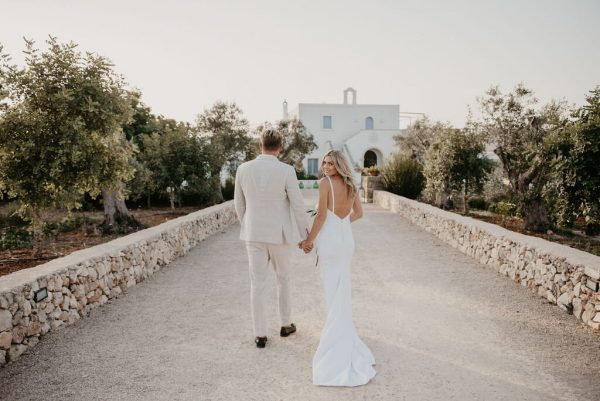
Somewhere between the ceremony and the first dance, a quiet costume change is happening. More brides are choosing a single gown designed to shift through the day, a structured silhouette for the vows that loosens into something easier for the party. An overskirt lifts away. A cape comes off. Sleeves detach. One dress, two moments, and far less to think about than juggling two separate looks.
It is a clever answer to a feeling many couples share. You want the formality and presence of a traditional gown when you say your vows, and the freedom to actually move when the music starts. Designers have listened, and the convertible gown has become one of the most talked about ideas in bridal for the season.
Built to transform
The engineering behind these dresses has come a long way. Structured silks like duchess, mikado and silk faille hold a clean architectural shape, which makes them ideal for the removable elements that define the look. A sweeping overskirt can sit over a slim base gown for the ceremony, then come away in seconds to reveal a sleeker line underneath. Detachable sleeves and capes work the same way, giving you coverage and drama for the formal part of the day and a lighter feeling for the dancing.
The appeal is partly practical and partly emotional. Practically, you get two distinct looks without the cost, the second fitting and the mid-reception dash to change. Emotionally, there is something lovely about the same dress carrying you through every part of the day, evolving as the hours do.
The statement cape, quietly everywhere
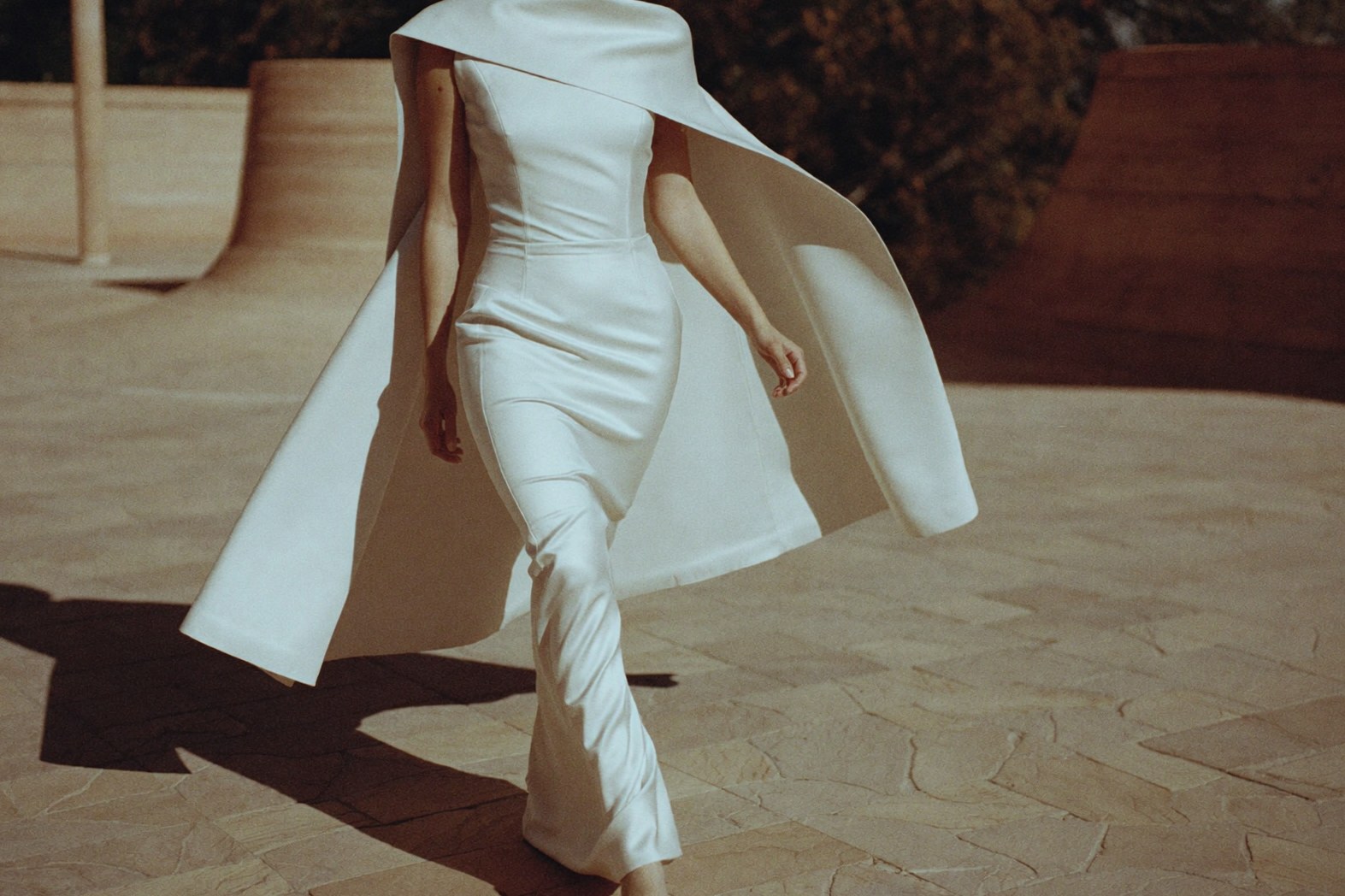
If there is one detachable element having a real moment, it is the cape. Off the shoulder styles, sometimes finished with floral appliqué or a long sweeping train, are turning up as an alternative to the traditional veil. They bring movement and a sense of occasion as you walk, then lift away to leave a simpler gown for the rest of the night.
A cape suits a pared-back dress especially well. When the gown itself is clean and unadorned, the cape becomes the drama, and removing it later feels like a gentle shift in chapter rather than a costume change. For couples drawn to a modern, fashion-led look, it is an easy way to add impact without leaning on anything fussy.
A palette that has quietly warmed up
Alongside the silhouette, the colour story of bridal is softening into warm neutrals. Ivory, stone, champagne and soft almond are leading, tones that flatter a huge range of skin and read as timeless rather than stark white. For a second look or a reception change, muted shades like dove grey, dusty blue and gentle blush are appearing, often in tailoring or something a little less expected.
These tones pair beautifully with the textured silks doing the rounds, and they sit comfortably within the wider mood of weddings right now, which favours soft, considered and tonal over bright and high contrast. A warm-neutral gown against sandstone, linen and candlelight feels of a piece, the dress and the day speaking the same quiet language.
Making it work for you
If the idea appeals, it helps to think about your day in parts. Picture the ceremony, the photographs, the dinner and the dancing, and ask where you want structure and where you want ease. That will tell you which elements you actually want to be removable, and which are simply nice in theory.
Timing is worth a thought too. A detachable overskirt or cape is quick to remove, but it is still worth a quiet practice run with whoever is helping you dress, so the transition is smooth rather than fiddly on the day. Talk to your dressmaker early about how the pieces fasten and come away, since the cleanest transformations are designed in from the start rather than added on later.
Most of all, choose the look that lets you be present. The reason these gowns have caught on is not novelty. It is that they let you have the gravity of a traditional silhouette for the moment that matters most, then set you free for the part of the night you will remember laughing through. One dress, carrying you the whole way, changing as gently as the day itself.