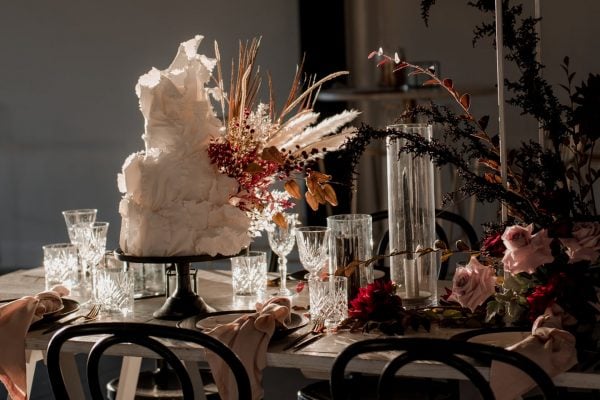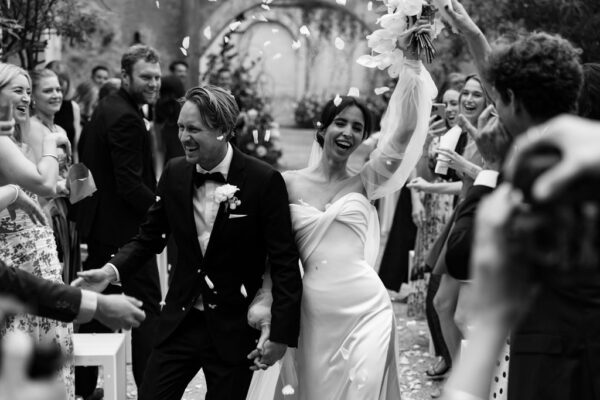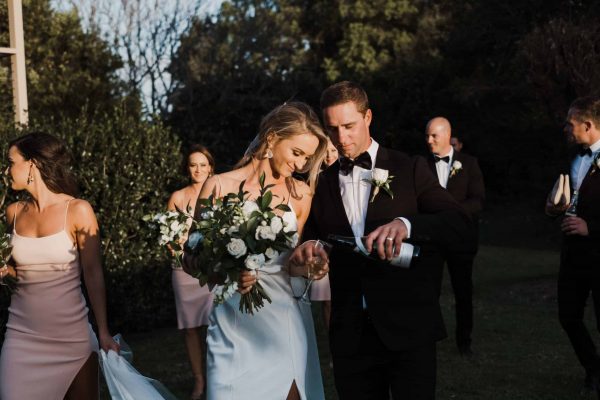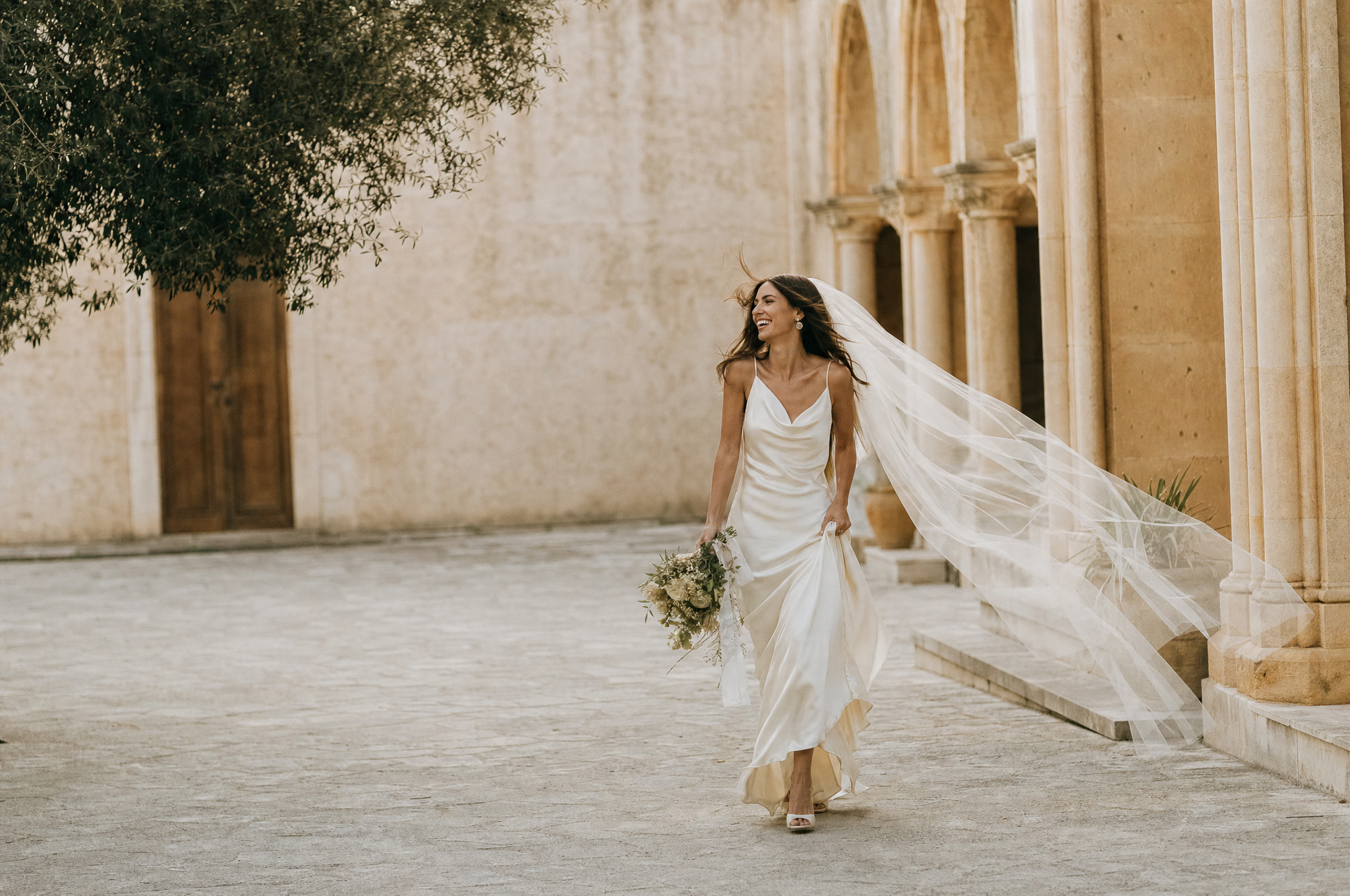
For a long time, wedding photography ran on a checklist. Family groups on the church steps, the couple framed against a doorway, a formal series of shots that every guest could see coming because they had seen the same series at every wedding before it. It produced reliable images, but rarely surprising ones. That approach is losing ground. Across 2026 coverage, publications including Vogue Weddings and a run of Australian wedding titles have pointed to the same shift, couples asking their photographers to step back, stay quiet and let the day unfold in front of the lens rather than direct it.
The result is a set of images that read less like a portfolio and more like stills from a film, caught mid motion rather than arranged for the camera.
What documentary style actually changes
The technical difference is smaller than it sounds. A documentary or photojournalistic photographer still shows up with the same gear and still needs the couple to hold still occasionally, for the signing of the register or a handful of portraits taken aside from the main event. What changes is where the photographer’s attention sits for the rest of the day. Instead of calling out poses, they work the room, watching for a hand on a shoulder, a laugh that breaks halfway through a speech, the flower girl losing interest in the ceremony altogether. The brief shifts from producing a set of images to capturing a record of what actually happened.
This is harder to shoot well than a posed gallery. A photographer working this way needs strong instincts for light and composition, because they are reacting to moments rather than building them, and there is no second take once a genuine reaction has passed. It is a skill couples are increasingly willing to pay for, because the images that come back from a well shot documentary day tend to hold up better over time than a wall of symmetrical group shots.
Why couples are asking for it
Some of the appeal is simply about honesty. A posed photograph shows how a couple looked when they were told to look a certain way. A candid one shows how they actually looked, which is usually less polished and considerably more them. Couples who have spent a year or more planning a day around their own personalities are, understandably, reluctant to hand the final hour of documentation over to a formula that was not built with them in mind.
There is also a practical benefit for the day itself. A couple who are not stopping every twenty minutes for another round of posed shots get to spend more of their wedding actually being at their wedding, talking to guests, eating the meal they chose, dancing rather than being arranged for a camera. Photography that works around the day rather than interrupting it tends to leave couples with better memories of the day itself, not just better images of it.
What to brief your photographer on
If this is the direction you want, it is worth saying so clearly and early, because photographers tend to specialise in one register or the other and it shows in their portfolios. Ask to see a full wedding gallery rather than a highlights reel, since a strong single shot tells you less than a full day does about whether a photographer can sustain a documentary approach from the ceremony through to the last dance.
It is also worth agreeing in advance on the handful of moments you do want captured formally. Most couples shooting this way still want a considered portrait or two of themselves, and often a proper family group shot for the grandparents, so this is not an all or nothing decision. The point is to be deliberate about which parts of the day are directed and which are left alone, rather than defaulting to either extreme.
A note on pace
Documentary photography rewards a day with room to breathe. A reception timeline packed tightly from arrival to last drinks gives a photographer fewer genuine moments to find, because everyone is being moved from one scheduled event to the next. Building in some unstructured time, even twenty unhurried minutes during golden hour or a quiet stretch before the reception opens, tends to be where the best images of the day are made. It is a small scheduling choice with an outsized effect on the gallery you end up with.