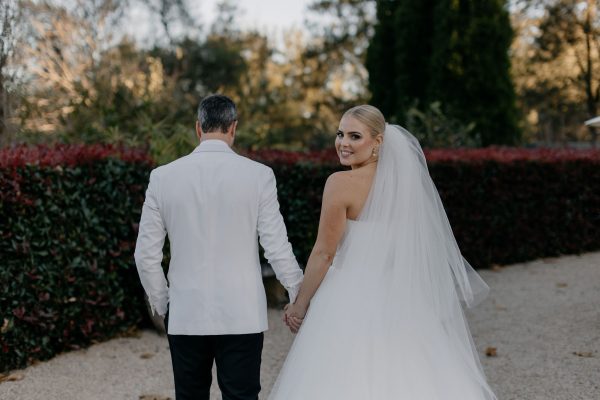
For years, the benchmark for a wedding photograph was composure. Guests arranged just so, the couple posed against good light, a moment built rather than found. That benchmark is loosening, and what is replacing it feels warmer, looser and considerably closer to how a wedding actually feels from the inside.
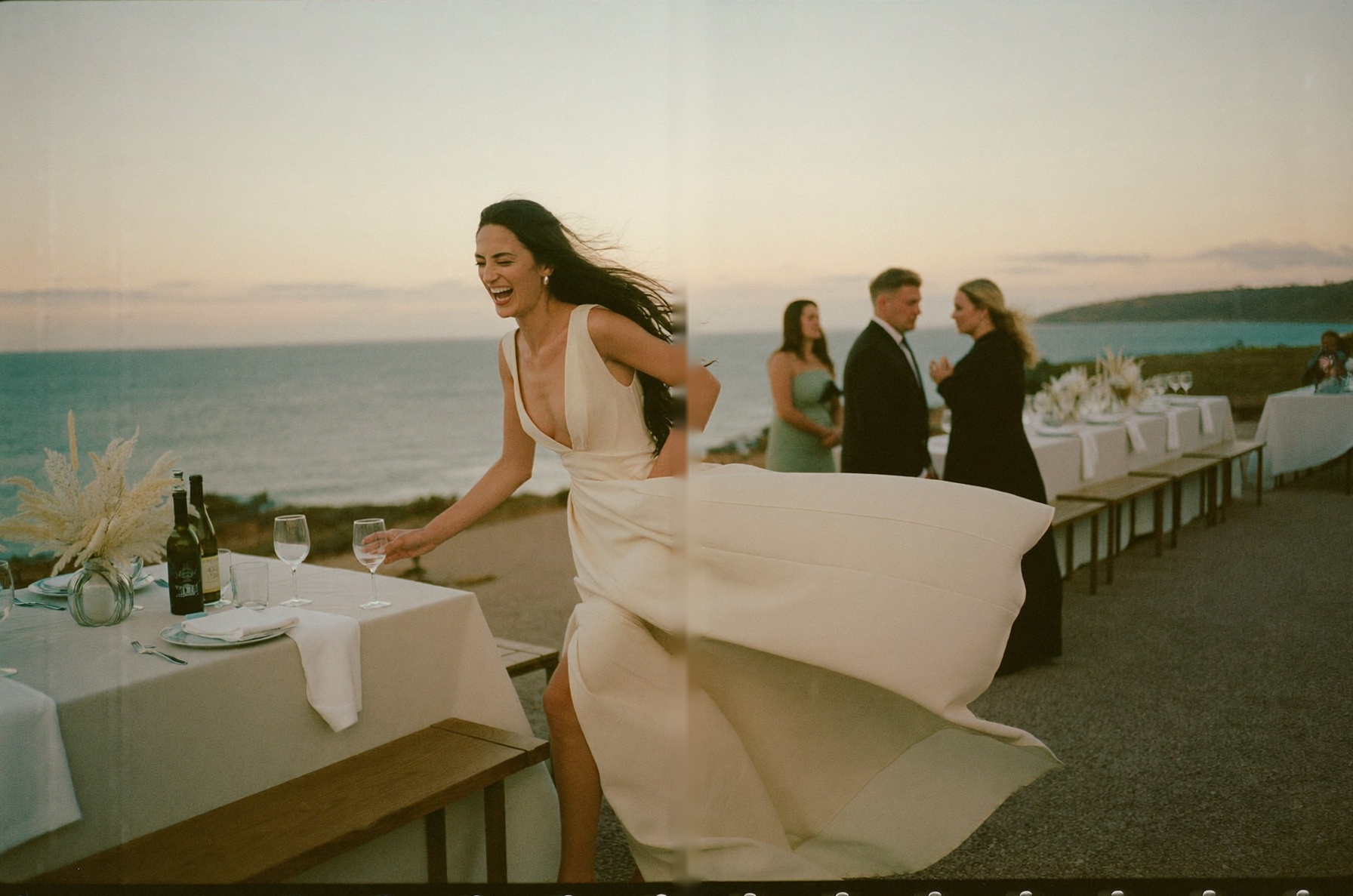
Couples are asking their photographers for movement over stillness now, a hand reaching for a glass mid laugh, a dress catching wind on the way to the car, a flower girl mid sprint across a lawn. The brief has shifted from capturing a scene to capturing a moment that was already happening.
Why Posed Perfection Lost Its Shine
Part of this is a reaction to how identical so many wedding galleries began to look. The same handful of poses, the same group shots, the same walk back down the aisle captured from the same angle. When every wedding is styled and shot the same way, the photographs stop feeling like a record of a specific day and start feeling like a template with different faces in it.
Documentary style photography resists that sameness by design. Because the photographer is chasing what actually happens rather than directing it, no two galleries can look alike. The getting ready chaos, the flustered best man patting his pockets for the rings, a grandmother crying quietly in the second row, these moments are unrepeatable, and they are also the images couples say they return to most.
The Look Behind the Shift
Alongside the documentary approach, there is a visual texture couples are increasingly asking for, a softer, slightly grainy quality reminiscent of film. Some photographers are shooting on actual film stock again. Others are achieving a similar warmth digitally, favouring natural light over flash and editing towards a tone that feels more like a memory than a magazine spread. The effect is deliberately imperfect. A little grain, a soft shadow, light that has not been smoothed into flatness.
This pairs naturally with candid coverage, because a slightly textured image already reads as authentic before you have even registered what is happening in the frame. Where an ultra crisp, heavily retouched photograph can feel staged no matter what it shows, a grainy, natural light image feels caught rather than composed.
What This Means for Your Timeline
Choosing a documentary photographer changes how your day should be scheduled, more than couples often expect. Rather than blocking out forty five minutes for formal portraits, the better use of a photographer’s time is often simply being present for longer, arriving before the getting ready begins and staying well into the reception, so there is more real time in which real moments can occur.
It also changes the brief you give your photographer. Instead of a shot list built around poses, it helps to describe the relationships and moments you most want captured, your father seeing you for the first time, the specific friend who will inevitably cause trouble on the dance floor. A documentary photographer works from feeling and instinct, so the more they understand about your people, the better they can anticipate what is coming.
Choosing a Photographer for This Style
Not every photographer shoots this way naturally, so it is worth looking closely at a full gallery from a real wedding rather than a highlight reel, since a handful of editorial shots are easy to produce but a whole day of consistently good candid images is a different skill. Ask how much time they spend simply observing rather than directing, and look for evidence in their portfolio that they can find a beautiful frame without asking anyone to stand still for it.
A Style That Ages Well
The lasting appeal of this approach is how it holds up over time. A posed portrait can feel dated within a decade, tied to whatever styling trend was current when it was taken. A candid, textured photograph of two people actually laughing tends to feel timeless, because it was never about the trend in the first place, it was about the people in front of the lens.
For couples weighing up where to spend on their day, this is worth remembering. A gallery that captures how your wedding truly felt will mean more in twenty years than one that simply looked good on the day.